

European football is famous for having sections of their fans known as ‘ultras’. From the yellow wall of Borussia Dortmund to Olympiakos’ “Gate 7” group, ultra groups instil truly extraordinary atmospheres wherever they go and can often account for a large part of a fans’ match-day experience. Despite their prevalence in Europe, ultra groups have never really taken off in England, even with our northern neighbours Scotland boasting some of the best around at Rangers and Celtic (though I won’t say who does it better out of fear for my life…). But how come? And are some of the negative connotations associated with ultra fan groups warranted or unfair? I’ve decided to look at this, as well as how attempts have been made in England to reciprocate atmospheres seen on the continent.
‘The Yellow Wall’ has long been regarded as one of the most iconic sights in European football, and has almost single handedly put the Signal Iduna Park onto every football fan’s bucket list. It’s impact for players and fans alike cannot be overstated, with former Borussia Dortmund boss Jürgen Klopp saying: “to exit the dark tunnel and come out into the stadium is to be reborn… You come out and the stadium explodes: out of the darkness and into the light”.

Such a feeling as a player can only be tremendous and make you feel completely adrenalized ahead of, and during, a game. Meanwhile it must no doubt be intimidating and nerve-inducing for an opposition player, who will feel every jeer and shout from the wall above. As for a fan’s perspective, ultras can create an electric atmosphere, as well as phenomenal visual displays, as seen above.
An issue faced by ultra groups, however, is that they are often misclassified as hooligans. While there are bound to be some cases of ultras partaking in hooliganism, it would be unfair and false to give them a blanket label of hooligans. The definition of a hooligan is: “a violent young troublemaker, typically one of a gang”. I put it to you that there isn’t a single ultra group that sets out to cause violence of any sorts, nor do they seek to cause trouble. Even the age definition of having to be young, though while often the case, is a dangerous misrepresentation of the groups. So why has the ultra-style of fan groups never really taken off in England and have we begun to see an emergence of said groups in recent years?
A number of recent examples of fans being injured, or in some cases killed, by hooligans who are labelled as ultras has done little to help their reputation. Instances like the tragic attack on Sean Cox from an AS Roma thug have ingrained awful thoughts in fans’ minds, as well as instilling perhaps warranted fear. These negative headlines, quite rightly so, have made people wary of anything that could be considered intimidating at football matches, but it’s important to note that those responsible for his injury and others like him are not ultras, they are thuggish hooligans looking for a fight. Despite this, we are starting to see a rise of ultras in England.
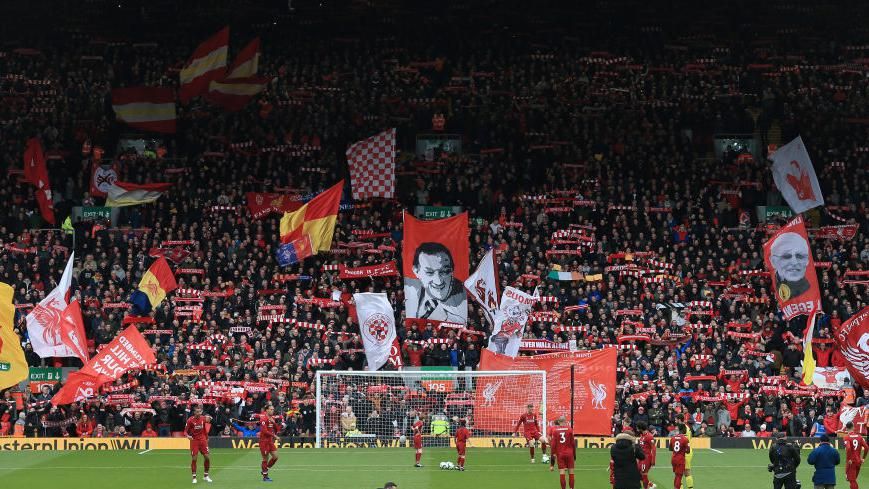
These scenes are becoming more common in England, but many fans still attach a stigma to such groups. On Twitter, they are often labelled as embarrassing – which couldn’t be further from the truth. After all, what’s embarrassing about trying to play your part in enhancing your club’s atmosphere and, generally speaking, just trying to have a good time? But why is this the mindset of so many in England?
While there have always been passionate and dedicated fans, and the idea of flags and flares aren’t exactly new, the idea of a dedicated section of ultras is, and with that – and the idea of change that it brings. Some fans, particularly of an older generation, are opposed to this change, and are hesitant to see the game that they’ve loved for decades change. I spoke to Colin, 62, who seemed to reaffirm this idea: “it isn’t football. I have no issue with passionate fans but flares and thuggish behaviour are dangerous and can ruin matches”. Not only does this somewhat back up the idea of an opposition to change, but it really piles onto my previous point about ultras being mislabelled as hooligans. We also have to consider the fact that rival fans will use anything to mock other clubs, with some of the Ashburton Army’s biggest critics coming from the fanbases of Tottenham and Chelsea. This leads to social media being flooded with negative opinions on ultras from rival fans which can be enough to sway a perhaps undecided fan on the matter.
Obviously there is a line that shouldn’t be crossed when it comes to ultra fan groups, but I feel as though that line is night and day. It’s not right that a minority can give ultras such a bad name – especially when they add so much to the beautiful game. Their effect is even having an impact lower down the footballing period, with non-league clubs having amassed some of their own ultras. And let’s not forget, an ultra doesn’t have to be shouting and throwing flares for 90 minutes, that’s not what they do.
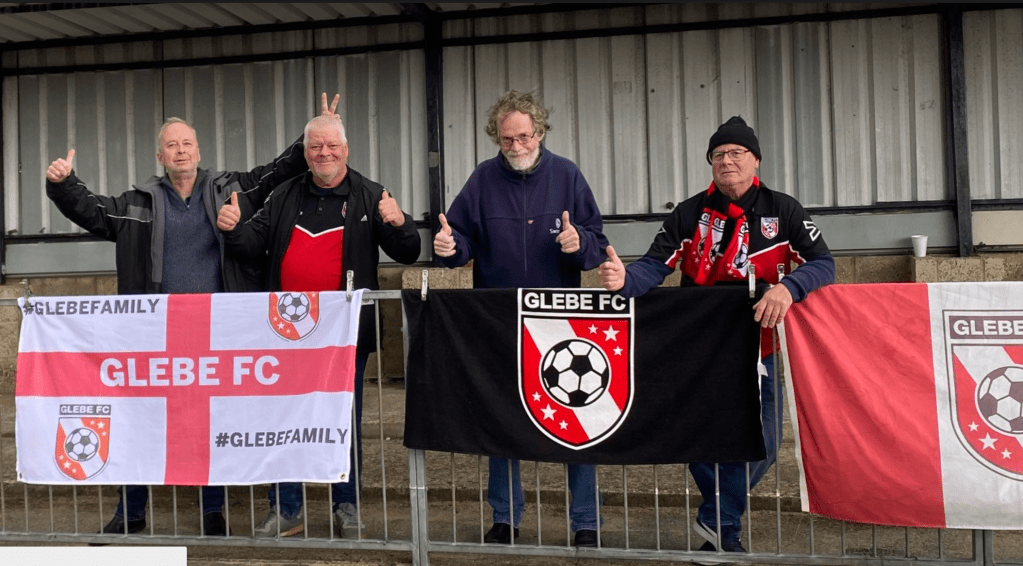
One thing that I would say to any fan who is unsure about the idea of ultras, is to experience them. If you have the ability to do so, visit a team from Turkey, or Greece, or Borussia Dortmund, or even club’s in the U.K like Rangers, Celtic and Liverpool. They add so much to the game, and it’s important that we recognise that.
 Jak Netting
Leave a comment